All Categories
Featured

Table of Contents
Even if you aren't stressed over rising rates, the longer you bring financial obligation, the more expensive it is, the more discouraging it can be, and the more difficult it is to achieve other goals. In reality, starting a brand-new year owing cash can take a mental toll. No matter your exact circumstances, it's worth getting out of some financial obligation in 2026 by pursuing alternatives like credit card debt relief or repayment utilizing the financial obligation snowball or financial obligation avalanche methods.
Start by collecting a couple of crucial documents and pieces of details. That can assist you comprehend what you owe and just how much you can truly pay for to pay toward becoming debt-free. Here are the essential actions: Make a complete list of your arrearages, the rates of interest, and the balances due.
is a great resource for getting your credit declare free, and seeing impressive debt at a glimpse. Track your costs. Take a look at your bank and credit card declarations to track your spending. Utilizing a budgeting app may be practical here to see precisely just how much of your money is going to fundamentals like groceries and costs, and just how much is going to non-essentials like eating in restaurants or film tickets.
Research changes to legal guidelines: For instance, in 2025 through 2028, auto loan interest will be tax-deductible for eligible people as an outcome of provisions in the One Big Beautiful Bill Act. Utilizing the information you gather, figure out the following: Overall impressive debtBalance of each financial obligation, and the interest rate you are being chargedWhether interest for each is tax-deductible (remembering that the rules can change in time, so checking once again in future is clever)Due date for regular monthly paymentsFunds you might utilize toward debt reward Getting arranged gives you a clear image of where you stand, what time frame for financial obligation reward is reasonable, and what debt relief options deserve pursuing.
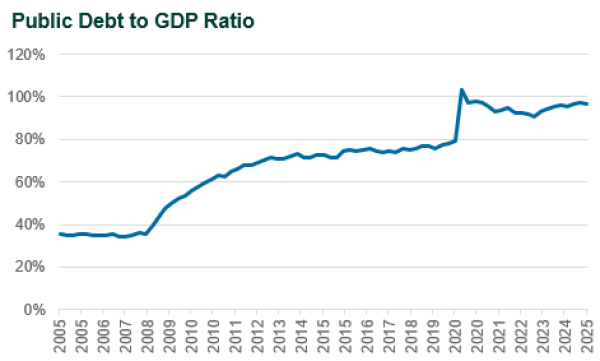
Effective Steps to Eliminate Large Debt in 2026
The two main approaches are the debt snowball and the financial obligation avalanche. Here's how every one works. The debt snowball method involves lining up your financial obligations from tiniest to largest, and taking on the smallest financial obligation first. You move onto the next-smallest. You continue by doing this with all your debts up until you've paid everything off.
Say you have $200 of discretionary income in a month, and $10,000 of credit card financial obligation across 5 credit cards. Pay the minimum payments on all 5 charge card, but assign as much of that $200 as you can to paying off the credit card financial obligation with the tiniest balance.
A big benefit of the debt snowball method is that you settle your first financial obligation rapidly, which might help motivate you to stay on track. Andr Small, a qualified financial coordinator based in Houston, Texas and creator of A Little Financial investment, says numerous of his low-income customers choose the snowball approach, while individuals with more discretionary earnings might be inclined to use the financial obligation avalanche.
As with the snowball, make a minimum of the minimum payment for all of your cards, with additional money going to the card with the greatest APR (interest rate). That very first debt you settle may not have the tiniest balanceit might even have the highestbut this approach saves you cash in interest gradually vs.
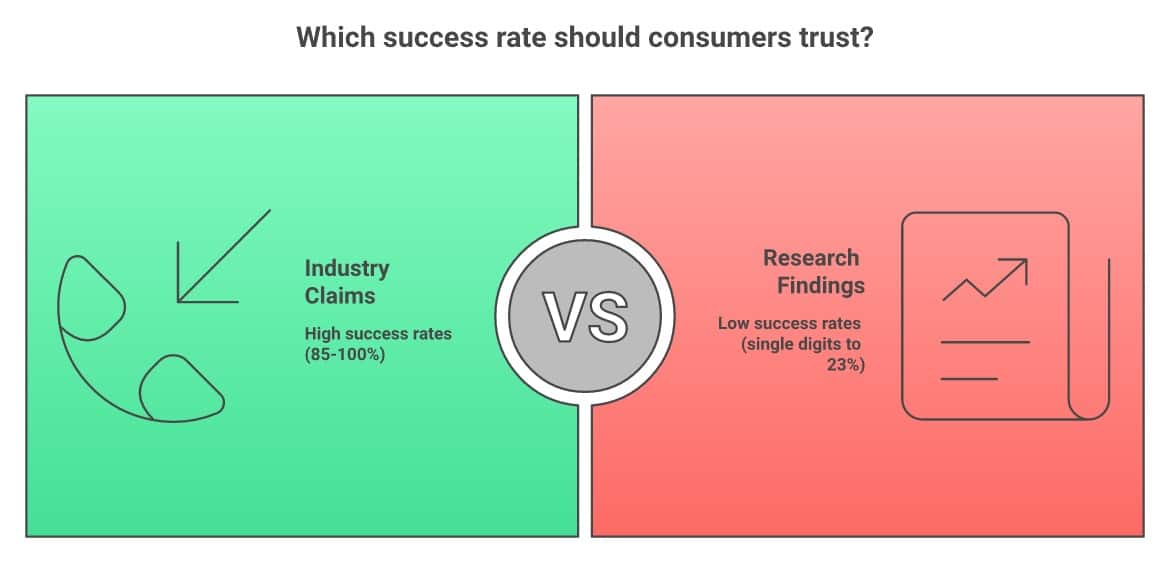
That's because you settle the costliest debt first. You might not score fast wins with this method, so it may not be the best one if you believe you'll struggle to stay motivated. In some cases, merely making additional payments is inadequate to assist you become debt-free in an affordable quantity of time.
MethodCostTime to FinishCredit ImpactHow it WorksBest ForDebt management planTypically under $50/month3 -5 yearsYesA not-for-profit credit counseling agency negotiates a repayment plan for all of your unsecured debtFull debt repayment with expert cash management guidanceDebt ConsolidationVariesVariesYesYou take a new loan to repay numerous existing financial obligations. Lowering your rate (if you get approved for less expensive financing)Balance Transfer3-5%VariesYesYou transfer existing credit card financial obligation onto a new card with 0% balance transfer deal.
A lot of unsecured financial obligations are eligible to be forgiven Chapter 13 includes a three- to five-year repayment plan. Customers who require legal defense from creditorsEach option has benefits and drawbacks. Here's a bit more information about how each works: Financial obligation consolidation: If you qualify for a debt consolidation loan, this can be a great option.
This streamlines things, since you have only a single payment. Depending upon whether you make your loan term longer or shorter, it could also lower total loaning costs, as long as you aren't spending for a lot longer than you were on the loans you combined. Debt settlement: You or a debt relief company negotiate with creditors and get them to accept a lump sum payment or payment plan for less than the total you owe.
Qualified Bankruptcy Counseling for 2026 Filers
Credit counseling: You deal with a certified therapist to review your financial resources and determine how much you can pay toward financial obligation. Credit therapists offer monetary counseling when you enroll in a financial obligation management strategy. That's a structured payment program in which you make one monthly swelling sum payment, and that money is dispersed to lenders by the financial obligation management company based on terms they have actually negotiated.
Usually, there is a charge of around 3% to 4% to do the balance transfer. Unfortunately, you typically have just a brief time at the 0% rate, so it's easy to stop working to become debt-free using this approach. After the marketing duration, the rates go up to the much higher rates common of credit cards.
With Chapter 13 bankruptcy, you get in into a 3- to five-year repayment arrangement and need to meet the repayment plan before any financial obligation is forgiven. Liberty Debt Relief can work out debt settlement on your behalf if you decide this is the best approach. Generally, you make a regular monthly deposit into a dedicated account (that you own and control).
As soon as the creditor has accepted a settlement and you authorize it, payment is made from your dedicated account. When the terms of the contract are pleased, the debt is behind you and you don't have to fret about it once again. Financial obligation relief programs make debt payoff easier, but you need to qualify to participate.
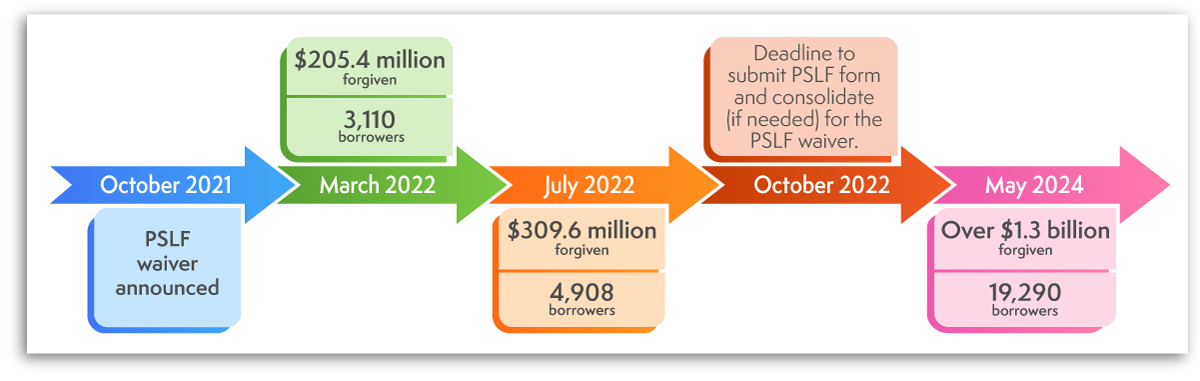
Certified Debt Counseling Services in 2026
Unsecured debt: Lenders don't usually settle protected debt (financial obligation for which there is collateral guaranteeing the loan). As a result, your financial obligation must be unsecured to take part in many expert debt relief programs. Evidence of monetary challenge: You should be dealing with challenges paying your costs, and may require evidence of financial hardship, such as evidence of a job loss or income reduction.
Mortgage and Debt Assistance for Homeowners in 2026Debt settlement can't erase your debts entirely. You can reach out to get a totally free debt assessment to discover out if you qualify for the Freedom Debt Relief program.

Latest Posts
Understanding the Current 2026 Debt Laws and Rules
Evaluating Credit Management Versus Bankruptcy for 2026
Seeking Expert Financial Help in the Transition 2026